🌱 Planet First
Building a Sustainable Tomorrow
Discover how renewable energy, smart technology, and bold climate goals are shaping Europe's path to a net-zero future.
Discover how renewable energy, smart technology, and bold climate goals are shaping Europe's path to a net-zero future.
Germany has committed to one of the world's most ambitious climate agendas: full carbon neutrality by 2045 — five years ahead of the EU's 2050 target. This means an entire economy must transition from fossil fuels to renewables in less than two decades.
From the Energiewende (energy transition) of the early 2000s to today's hydrogen strategies, smart grids, and citizen-owned solar farms, Germany continues to set the global standard for clean energy leadership.

Germany aims for 215 GW of installed solar by 2030 — tripling current capacity through rooftops, ground-mounted farms, and agri-PV.
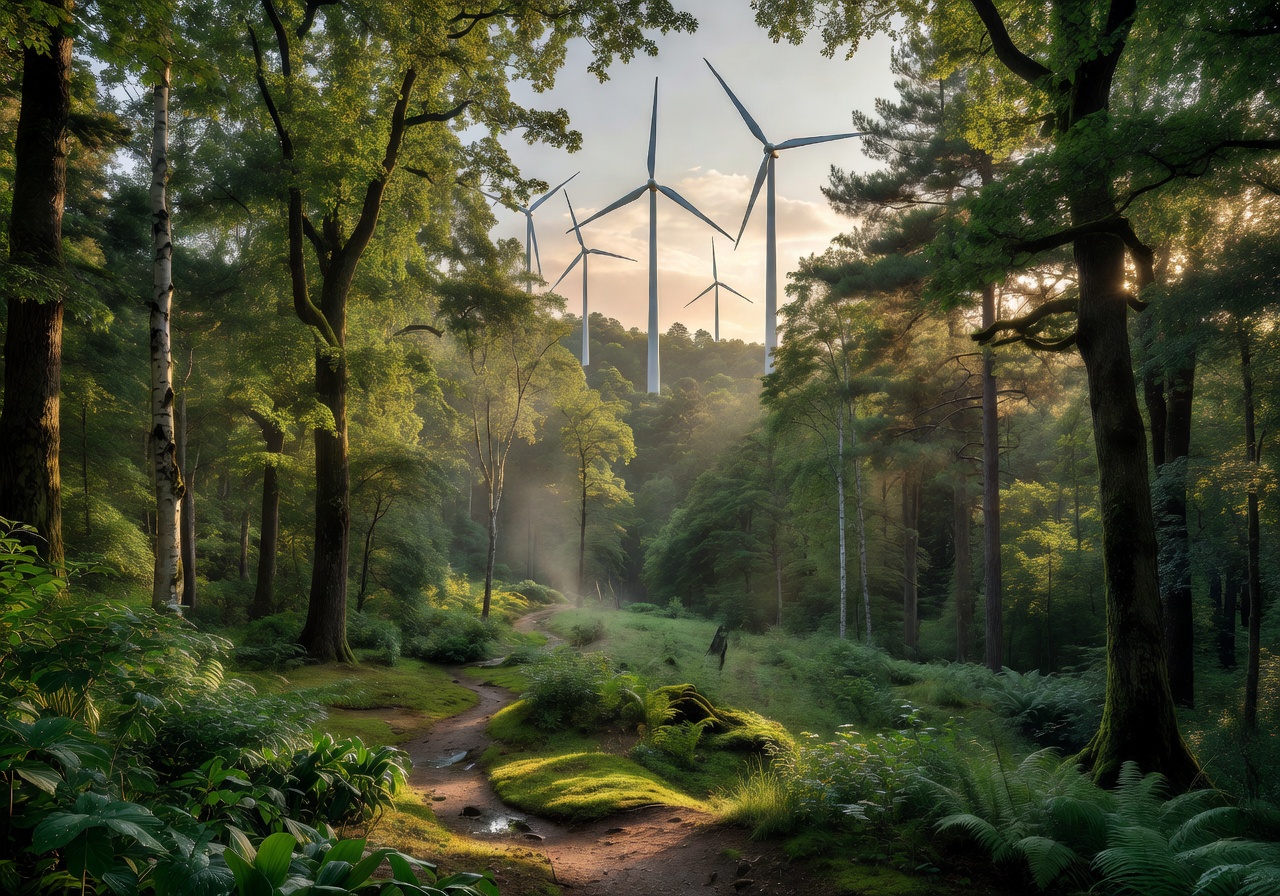
Onshore and offshore wind expansion targets 145 GW by 2030, anchoring Germany's renewable backbone.
Battery storage capacity must scale 10x to integrate intermittent renewables and stabilize the grid.
500,000 new heat pumps per year by 2030, replacing gas and oil heating across millions of German homes.
15 million electric vehicles on German roads by 2030, supported by a million-plus public chargers.
10 GW of electrolysis capacity by 2030 to decarbonize industry, heavy transport, and seasonal storage.
The EEG (Erneuerbare-Energien-Gesetz) launches, kickstarting the Energiewende.
Germany commits to phasing out nuclear power following Fukushima.
Half of Germany's electricity comes from renewable sources for the first time.
Major intermediate climate milestone requiring massive infrastructure scaling.
Full carbon neutrality achieved — a transformed energy economy.
Explore how German startups are turning these climate goals into reality.
View Startups →